ByJohn A
Creating a Comfortable Dog Space in Today’s Modern Homes
As pet owners become more thoughtful about how their homes support their dogs, comfort-focused design is becoming an important part of everyday living. From calming spaces to supportive sleeping surfaces, modern pet care is increasingly centered on creating an environment where dogs can rest, relax, and feel secure. A nest dog bed can be one practical addition to this kind of home setup, especially when selected with your dog’s habits, size, and sleeping preferences in mind.
The growing interest in pet-friendly interiors is not simply about making a home look attractive. It is about understanding how a dog’s surroundings can influence relaxation, sleep quality, movement, and overall comfort. With more households treating pets as part of the family, dedicated spaces for them are becoming a natural part of thoughtful home design.
Why Dog Comfort Is Becoming a Bigger Home Design Trend
Pet ownership has influenced many aspects of modern home design. People are considering their dogs when choosing furniture, flooring, fabrics, storage solutions, and even the layout of individual rooms.
This shift reflects a broader understanding of what dogs need throughout the day. A comfortable home should provide opportunities for activity, interaction, privacy, and uninterrupted rest.
A designated sleeping area can be particularly valuable because dogs spend a significant portion of their lives resting. Instead of allowing a dog to settle wherever there happens to be an empty spot, creating a consistent resting area gives them a familiar place they can return to whenever they need a break.
This can also help make the household feel more organized. A thoughtfully positioned bed can provide your dog with their own space without disrupting the flow of the room.
See also: Prevent Costly Roof Damage With Professional Roof Care
The Rise of Calm and Purposeful Pet Spaces
One of the more noticeable trends in pet-friendly homes is the creation of calm zones. Rather than treating a dog’s bed as an afterthought, owners are incorporating resting areas into the overall layout of their homes.
The ideal location depends on your dog’s personality. Some dogs enjoy being close to people, while others prefer a quieter corner where they can relax without constant movement around them.
When choosing a location, consider:
- A quiet corner can provide a sense of security while keeping your dog close enough to observe household activity.
- A spot away from heavy foot traffic can make it easier for your dog to settle without frequent interruptions.
- A location with comfortable airflow can help prevent the sleeping area from becoming unnecessarily warm.
- A familiar position can help establish a consistent routine and make the space feel more inviting.
The goal is not to isolate your dog. Instead, it is to create a place where they can choose to rest when they want some uninterrupted downtime.
Comfort Should Match Your Dog’s Sleeping Style
Every dog has different sleeping habits. Some curl into a compact position, while others stretch across the entire surface. Some prefer to rest against raised edges, whereas others want an open surface that allows them to change positions easily.
Observing these habits can tell you more than simply choosing a bed based on appearance.
If your dog frequently curls up, a supportive design with surrounding edges may feel reassuring. If they regularly stretch out, a larger open sleeping surface may be more suitable. Dogs that move between positions during sleep may benefit from a surface that provides enough room for natural movement.
Age and physical condition can also influence preferences. Older dogs may appreciate easier access and supportive surfaces, while younger dogs may be more interested in spaces that accommodate active movement before settling down.
The right choice should therefore begin with your dog’s behavior rather than the appearance of the product.
Materials Matter More Than Many Owners Realize
A beautiful sleeping space is only useful if it remains comfortable and practical. Materials play an important role in how a dog experiences their resting area.
Softness is one consideration, but it should not be the only one. A surface that is excessively soft may not provide the support some dogs need. Similarly, a material that retains too much heat may become uncomfortable in warmer conditions.
Look for qualities that fit your household and your dog’s habits, such as:
- Breathable materials can help create a more comfortable resting environment.
- Supportive construction can provide a stable surface for dogs that need additional comfort while resting.
- Durable fabrics can be useful for dogs that frequently move, scratch, or circle before settling.
- Easy-care surfaces can make regular cleaning more manageable.
The best material is ultimately one that balances comfort, durability, cleanliness, and suitability for your dog’s everyday routine.
Making Pet Areas Work With Modern Interiors
Pet-friendly design does not mean your home needs to look like a dedicated pet facility. Modern owners are increasingly looking for solutions that blend naturally with their existing interiors.
Neutral colors, simple shapes, and well-chosen textures can help a dog’s resting area complement the surrounding furniture. Placement also matters. A bed positioned beside a sofa, under a suitable table, or within a quiet corner can feel like a natural part of the room rather than something added at random.
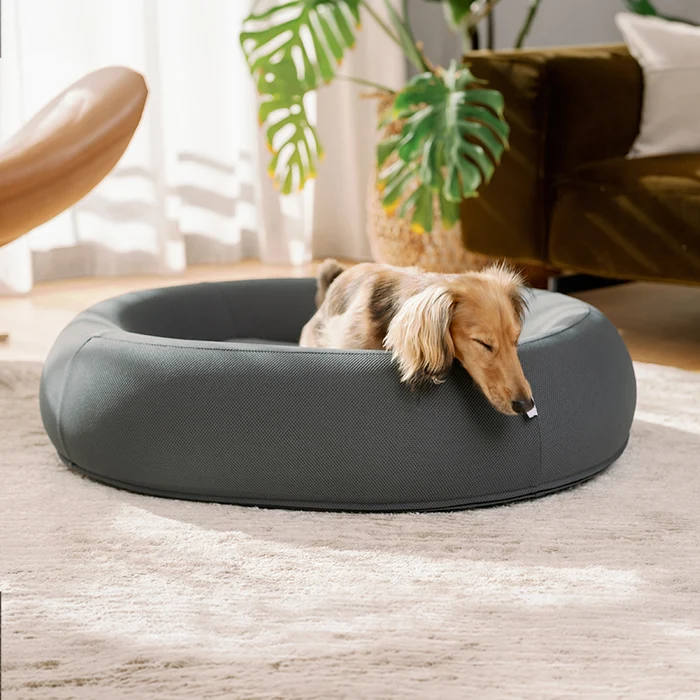
The Brooklyn, for example, reflects the idea that a dog’s comfort area can be considered as part of the wider home environment rather than treated as a separate feature.
However, appearance should never take priority over your dog’s comfort. A visually appealing sleeping area that your dog avoids is not a successful choice.
Temperature and Seasonal Comfort
Temperature is another factor worth considering when creating a comfortable resting environment. Dogs can respond differently to changes in temperature depending on their coat, size, age, activity level, and individual preferences.
During warmer conditions, a resting area with good airflow and breathable materials may help your dog feel more comfortable. During cooler conditions, a supportive and insulating surface can provide a more inviting place to settle.
The surrounding environment matters as much as the bed itself. Avoid placing a dog’s sleeping area directly beside strong heat sources or in locations exposed to uncomfortable drafts.
Pay attention to your dog’s behavior. If they repeatedly leave their resting area, move to cooler flooring, or seek warmer locations, their current setup may not be meeting their comfort preferences.
Why Placement Can Influence Rest
Dogs are naturally attentive to their surroundings. Noise, movement, light, and household activity can all influence whether they settle comfortably.
A bed placed in the middle of a busy walkway may seem convenient for the owner but could make it difficult for the dog to relax. On the other hand, placing it in a completely isolated room may not suit a social dog that prefers to stay near family members.
A balanced location often works best. Your dog should have enough peace to rest while still feeling connected to the household.
Consider the areas where your dog naturally chooses to sleep. Their existing habits can provide useful clues about the level of noise, light, temperature, and social interaction they prefer.
Cleaning Should Be Part of the Design
Dogs naturally bring dirt, hair, and outdoor debris into the home. Because sleeping areas come into regular contact with your dog’s coat and paws, cleanliness should be considered from the beginning.
A practical sleeping setup should make routine maintenance straightforward. Removable or washable components can be especially useful, while durable materials may withstand regular use more effectively.
Regular cleaning can also help keep the surrounding area fresh. Vacuuming nearby flooring, washing suitable bedding materials, and checking the sleeping surface for wear can all contribute to a healthier and more pleasant environment.
This does not need to become complicated. A simple routine is often easier to maintain than a setup that requires extensive care.
Designing Around Your Dog’s Personality
A dog’s personality can be just as important as their physical size when choosing a resting space.
A nervous dog may prefer an enclosed or protected-feeling location. A social dog may want to sleep where family members spend most of their time. A highly active dog may need a spacious surface where they can settle after moving around.
Watch how your dog interacts with different spaces throughout the home. Do they seek corners? Do they prefer open areas? Do they sleep close to you or move away when they need rest?
These small observations can help you create a setup that feels natural rather than forcing your dog into a space they do not enjoy.
Creating a More Enriching Home Environment
Comfort is only one part of a dog-friendly home. A well-designed environment should also support mental stimulation and healthy daily activity.
Resting areas work best when they are part of a broader routine that includes movement, play, interaction, exploration, and quiet time. A dog that has opportunities to use both their body and mind may be more comfortable settling down when it is time to rest.
You can also consider how your dog’s resting area relates to their favorite household activities. Keeping it near a familiar room may encourage them to use the space while remaining part of family life.
At the same time, avoid overcrowding the area with toys and accessories. A sleeping space should remain a place for relaxation rather than becoming another busy activity zone.
Choosing Long-Term Comfort Over Short-Term Appeal
Trends can provide inspiration, but your dog’s individual needs should always guide the final decision. A fashionable design may look impressive, yet it may not offer the support, space, or accessibility your dog actually needs.
Think about how your dog behaves now and how their needs could change as they grow older. A practical choice should be comfortable, durable, easy to maintain, and appropriate for the space available in your home.
It is also worth considering how easily the resting area can be repositioned. Dogs can develop new preferences as their routines, surroundings, or physical needs change.
A Thoughtful Space Can Make Everyday Life Better
Creating a comfortable resting area for your dog may seem like a small change, but it can have a meaningful effect on the way your home functions. A dedicated space gives your dog somewhere familiar to retreat, while also helping you keep pet-related items organized.
More importantly, it encourages owners to think about comfort from the dog’s perspective. Instead of choosing a product simply because it fits the room, consider how the space feels to the animal using it.
Observe where your dog naturally rests, how they position their body, what textures they prefer, and whether they seem comfortable with the surrounding noise and temperature. These details can guide a much more thoughtful decision.
Conclusion
Modern pet-friendly living is moving toward a more balanced approach where comfort, functionality, and home design work together. A dog’s resting area does not need to dominate a room or look out of place. With the right placement, materials, size, and attention to your dog’s individual habits, it can become a natural and valuable part of the home.
The most successful setup is one that your dog actually wants to use. Pay attention to their behavior, make comfort the priority, and keep their space clean and inviting. When you are ready to create a more comfortable resting environment for your dog, Get in touch to explore options that can complement both your pet’s needs and your home.