ByJohn A
Garage Door Making Noise? Common Causes and When to Call a Pro
A noisy garage door is often a sign that something needs attention. While some sounds may come from normal operation, unusual noises such as grinding, squeaking, banging, or rattling can indicate worn parts, poor lubrication, or mechanical problems that may become more serious over time.
Ignoring garage door noises can lead to bigger issues, including damaged components, unexpected breakdowns, or safety risks. Identifying the cause early allows homeowners to address minor problems before they turn into expensive repairs.
Professional Garage Door Repair in NJ helps homeowners diagnose garage door issues, repair damaged parts, and keep their systems operating safely. At All Day Garage Doors, we understand that every sound tells a story. Proper inspection and timely repairs can improve garage door performance while extending the life of the entire system.
Why Is My Garage Door Making Noise?
Garage doors contain many moving parts that work together every time the door opens and closes. These include springs, rollers, hinges, tracks, cables, and the opener system.
Over time, these components experience regular wear and tear. Dirt buildup, lack of maintenance, weather conditions, and aging parts can all contribute to unusual sounds.
Common garage door noises include:
- Squeaking
- Grinding
- Popping
- Rattling
- Banging
- Scraping
- Clicking
The type of noise can often provide clues about the source of the problem. However, a professional inspection is the best way to identify the exact cause and determine the right solution.
Squeaking Sounds From Your Garage Door
A squeaking garage door is one of the most common complaints homeowners experience.
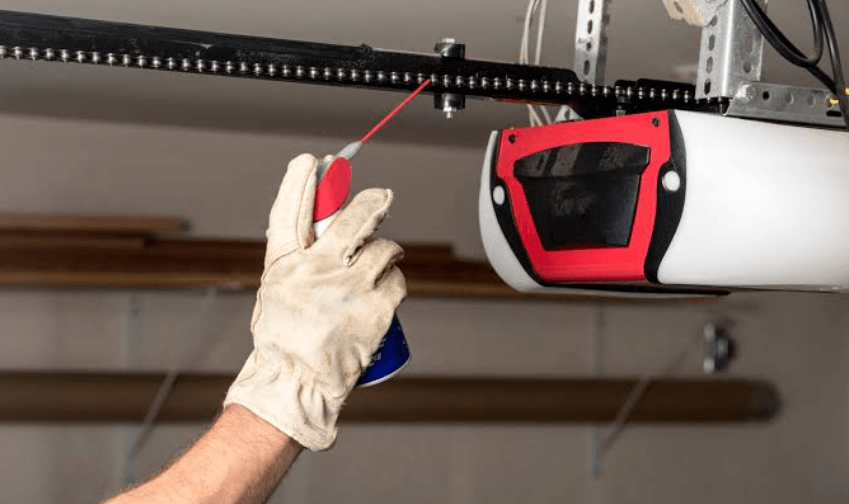
In many cases, squeaking occurs because moving parts need lubrication. Hinges, rollers, and springs rely on smooth movement to operate properly. When these parts become dry, friction increases and creates a squealing sound.
Other possible causes include:
- Worn rollers
- Loose hardware
- Dirt buildup
- Aging components
Applying the correct garage door lubricant may help reduce minor squeaking. However, if the noise continues after maintenance, the issue may involve worn parts that require professional attention.
Grinding Noises May Indicate Mechanical Problems
Grinding sounds usually require more attention than simple squeaking.
A grinding noise often means metal components are rubbing together or a part is not moving correctly.
Possible causes include:
- Damaged rollers
- Worn gears inside the opener
- Misaligned tracks
- Broken internal components
Continuing to operate a garage door that makes grinding sounds can increase damage and put additional stress on other parts.
A professional garage door technician can inspect the system and identify whether the problem requires adjustment, repair, or replacement.
Banging or Popping Sounds From the Garage Door
Loud banging or popping noises can be concerning, especially when they happen suddenly.
These sounds may come from:
- Garage door springs
- Loose hardware
- Tension changes in components
- Door panels shifting
Garage door springs are under significant tension and play an important role in lifting and balancing the door. If a spring becomes damaged or breaks, it can create loud sounds and affect the door’s operation.
Because springs can be dangerous to handle without proper tools and training, homeowners should avoid attempting spring repairs themselves.
Rattling Noises Often Point to Loose Parts
A rattling garage door may seem like a minor issue, but it can indicate loose or worn components.
Common causes include:
- Loose bolts and screws
- Loose chain or belt components
- Worn hinges
- Vibrating hardware
Garage doors experience repeated movement every day, which can gradually loosen hardware.
A technician can inspect the system, tighten necessary components, and ensure everything is properly secured.
Regular maintenance can also help prevent these problems from developing.
Scraping Sounds May Mean Track Problems
If your garage door makes a scraping sound while opening or closing, the tracks may be the source of the issue.
Garage door tracks guide the rollers and help the door move smoothly. When tracks become bent, dirty, or misaligned, the rollers may rub against them.
Signs of track-related issues include:
- Uneven door movement
- Visible bends in the track
- Door shaking during operation
- Increased resistance
A misaligned garage door track can affect the entire system and should be inspected before it causes additional damage.
See also: Why Won’t My Garage Door Open or Close Properly?
Clicking Sounds From the Garage Door Opener
Some clicking sounds are normal, but repeated or unusual clicking may indicate opener problems.
Possible causes include:
- Sensor issues
- Electrical problems
- Worn opener gears
- Motor problems
Modern garage door openers contain several electrical and mechanical components that work together.
If the opener clicks but the door does not move properly, the system may need professional diagnosis.
Repairing opener issues early can prevent complete system failure.
Lack of Maintenance Is a Common Cause of Garage Door Noise
Many garage door problems develop because routine maintenance is overlooked.
A garage door system works several times every week, and constant movement naturally causes wear.
Regular maintenance may include:
- Lubricating moving parts
- Inspecting springs and cables
- Checking hardware
- Testing safety features
- Cleaning tracks
- Inspecting rollers
Maintenance helps identify small problems before they become major repairs.
A professional maintenance service can also improve performance and help extend the lifespan of your garage door.
Weather Conditions Can Affect Garage Door Operation
New Jersey weather can impact garage door performance throughout the year.
Cold temperatures, moisture, and seasonal changes can affect different components.
Winter conditions may cause:
- Stiff rollers
- Frozen parts
- Reduced lubrication effectiveness
- Increased stress on moving components
Humidity and moisture can contribute to:
- Rust formation
- Corrosion
- Material deterioration
Regular inspections help homeowners prepare their garage doors for changing weather conditions.
When Should You Call a Professional Garage Door Technician?
Some garage door noises can be fixed with basic maintenance, but certain warning signs require professional help.
You should contact a professional for Garage Door Repair in NJ if you notice:
- Loud or sudden noises
- A door that shakes during operation
- A garage door that opens unevenly
- Broken springs or cables
- A door that will not open or close
- Repeated opener problems
- Visible damage to components
Addressing these issues quickly helps prevent additional damage and improves safety.
Why DIY Garage Door Repairs Can Be Risky
Many homeowners attempt garage door repairs themselves to save money. While basic maintenance tasks such as cleaning and lubrication may be manageable, more complex repairs can be dangerous.
Garage doors contain high-tension components, especially springs and cables.
DIY repairs may result in:
- Personal injury
- Further damage
- Incorrect installation
- Higher repair costs later
Professional technicians have the right tools, training, and experience to safely diagnose and repair garage door problems.
Benefits of Professional Garage Door Repair
Hiring a professional provides several advantages beyond fixing the immediate noise problem.
A trained technician can:
- Identify hidden issues
- Repair damaged components properly
- Improve garage door safety
- Prevent future breakdowns
- Extend equipment lifespan
Professional service ensures that repairs are completed according to safety standards.
Instead of repeatedly addressing the same noise, a proper inspection can solve the underlying problem.
How to Prevent Future Garage Door Noise
Homeowners can reduce garage door problems by following a consistent maintenance routine.
Helpful steps include:
- Keep tracks clean
- Avoid forcing the door when it struggles
- Schedule regular inspections
- Lubricate recommended components
- Check for visible wear
- Address unusual sounds early
Small maintenance efforts can help keep the garage door operating smoothly and reduce unexpected repair needs.
Keep Your Garage Door Running Smoothly With the Right Care
A noisy garage door should not be ignored. Sounds such as squeaking, grinding, rattling, or banging often indicate that a component needs attention. Addressing these warning signs early can prevent larger issues, improve safety, and help your garage door perform reliably.
At All Day Garage Doors, we provide professional Garage Door Repair in NJ to help homeowners resolve garage door problems with reliable solutions. From worn components and opener issues to maintenance needs, our approach focuses on identifying the cause of the problem and restoring safe, smooth operation. Regular care and timely repairs can keep your garage door working efficiently for years to come.