ByJohn A
How Smarter Daylight Design Is Transforming Modern Home Interiors
Natural light has become one of the most important elements in modern home design. As homeowners look for brighter, healthier, and more comfortable interiors, roof glazing is gaining attention as a practical way to bring daylight into spaces that traditional windows may not reach. If you are planning a renovation or updating an existing property, you may be considering whether to buy fixed rooflights to improve the way natural light enters your home.
The growing interest in daylight-focused design reflects a broader shift toward interiors that feel connected to the outdoors. Rather than relying entirely on artificial lighting, modern homeowners are exploring architectural solutions that make better use of sunlight throughout the day. Fixed rooflights can be particularly useful in rooms where wall space is limited or where additional daylight can make a noticeable difference.
Why Natural Light Matters in Modern Homes
Natural light does more than make a room look brighter. It can influence how spacious, welcoming, and comfortable an interior feels. A well-lit room often appears more open, while carefully positioned daylight can highlight architectural details, textures, and finishes.
Modern interior design increasingly focuses on creating environments that feel calm and functional. Large openings, lighter materials, indoor plants, and natural finishes are often combined to create this atmosphere. Rooflights complement these elements by introducing daylight from above, creating a different quality of illumination compared with light entering through vertical windows.
Natural daylight can also help reduce the need for artificial lighting during daylight hours. While the amount of light entering a room depends on factors such as roof orientation, glazing, surrounding structures, and room layout, thoughtful rooflight placement can contribute to a more naturally illuminated interior.
The Rise of Daylight-First Home Design
One of the notable trends in residential architecture is the move toward daylight-first planning. Instead of treating natural light as an afterthought, designers are considering it during the early stages of a project.
This approach is particularly useful when designing kitchens, extensions, hallways, bathrooms, and other areas that may not have generous wall space for windows.
A daylight-first approach considers:
- Room orientation: The position of a room can influence how much natural light it receives throughout the day.
- Roof structure: The available roof area can determine where a rooflight can be installed effectively.
- Interior finishes: Light-colored walls and ceilings can help distribute daylight deeper into a room.
- Glazing selection: Different glazing options can affect light transmission, solar control, privacy, and visual comfort.
- Room function: The ideal daylight solution can vary depending on whether the space is used for cooking, relaxing, working, or passing through.
Thinking about these factors together creates a more balanced result than simply adding a rooflight wherever there is available roof space.
Why Fixed Rooflights Remain a Popular Choice
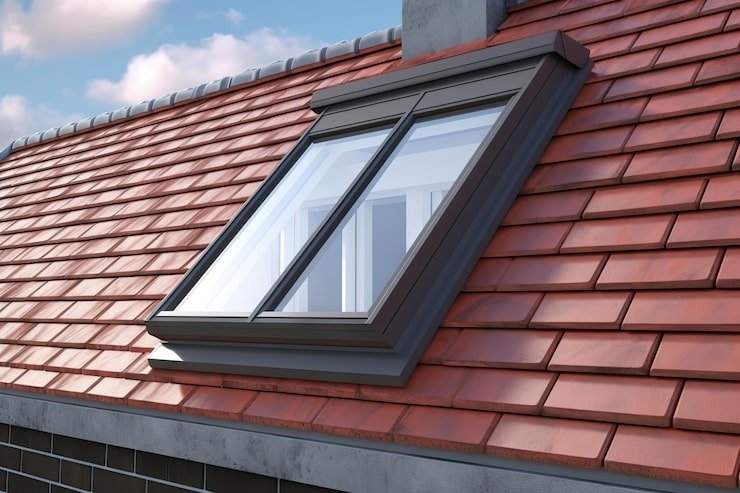
Fixed rooflights are designed primarily to introduce natural light without providing ventilation through an opening mechanism. This straightforward design can make them suitable for areas where the main goal is improving daylight rather than increasing airflow.
Their simplicity can also complement contemporary architecture. Clean roof glazing can create a subtle connection between the interior and sky while maintaining a streamlined appearance.
For spaces that already have adequate ventilation through windows, mechanical systems, or other openings, fixed rooflights can provide an effective daylight-focused solution.
They can be especially useful in:
- Kitchen extensions: Daylight from above can help prevent deeper areas of an extension from feeling dark.
- Internal spaces: Rooms with limited exterior wall access may benefit from light introduced through the roof.
- Hallways: Roof glazing can help brighten circulation areas that might otherwise depend heavily on artificial lighting.
- Open-plan interiors: A strategically positioned rooflight can introduce daylight into the center of a larger living area.
- Bathrooms: Where appropriate glazing and privacy considerations are addressed, rooflights can create a bright and airy atmosphere.
Making Small Spaces Feel More Open
One reason rooflights are increasingly popular is their ability to change the perception of space. A compact room may feel enclosed when daylight is limited, even if the actual dimensions remain unchanged.
Introducing light from above can create visual interest and draw the eye upward. This can make a ceiling feel less restrictive and add another layer to the room’s architecture.
In a narrow extension, for example, daylight entering through a rooflight can help balance areas that are farther from the exterior walls. Instead of having the brightest part of the room concentrated around a conventional window, illumination can be distributed more creatively.
This does not mean that every small room needs a rooflight. The best solution depends on the structure, purpose, orientation, and existing sources of daylight.
Combining Rooflights With Interior Design
Rooflights work particularly well when they are considered alongside the rest of the interior rather than treated as an isolated feature.
Wall colors, flooring, furniture placement, and reflective surfaces can all influence how daylight behaves. A thoughtfully designed room can use incoming light to create subtle changes in atmosphere as the sun moves across the sky.
For example, pale walls can reflect daylight into surrounding areas, while natural wood and textured surfaces can soften the visual effect. Furniture positioned directly beneath a rooflight may receive stronger illumination, making the area suitable for reading, dining, or other activities that benefit from good natural light.
However, excessive brightness can also create glare. This is why the position and specification of roof glazing should be considered carefully rather than focusing solely on maximum light entry.
Choosing the Right Location
Where a rooflight is positioned can be just as important as the rooflight itself. A poorly considered location may provide plenty of daylight in one area while leaving another part of the room relatively dark.
Start by observing how the room currently receives natural light. Consider which areas feel darker and whether the roof structure provides a suitable location for introducing light.
It is also important to consider what is directly below the rooflight. A location above a central work surface, dining table, stairwell, or seating area can create a strong architectural focal point.
The surrounding roof should also be assessed. Structural requirements, roof pitch, existing features, insulation, drainage, and interior ceiling construction can all influence the installation approach.
Balancing Daylight and Solar Comfort
More daylight is not always better if it comes with excessive heat or glare. Modern daylight design is about achieving balance.
A rooflight exposed to strong sunlight can introduce significant solar energy into a room, particularly when the glazing and surrounding design are not carefully considered. This can affect comfort and may make certain areas unpleasant during periods of intense sunlight.
Glazing characteristics, roof orientation, shading strategies, and interior design should therefore be considered together. Appropriate solar-control features can help manage unwanted heat and glare while still allowing useful daylight into the room.
The goal is not simply to create the brightest possible interior. Instead, the objective is to create a comfortable space where daylight supports the room without overwhelming it.
A More Connected Approach to Home Design
Skylights Roof Lanterns reflect the growing interest in architectural solutions that make natural light a more intentional part of residential spaces.
This wider design movement is about more than adding individual features. It is about creating a relationship between the home, the changing daylight outside, and the way people use their interiors.
Morning light can create a fresh atmosphere in a kitchen, while softer afternoon illumination can change the character of a living area. These natural variations give an interior a sense of movement that artificial lighting alone cannot completely reproduce.
When planned carefully, roof glazing can therefore become part of the home’s overall architectural character rather than simply serving as a functional addition.
Considering Energy and Everyday Habits
Daylight design can also support more conscious energy use. When a room receives sufficient natural light, occupants may rely less on electric lighting during daylight hours.
However, rooflights should not be viewed as a standalone energy solution. Overall home performance depends on insulation, glazing performance, ventilation, heating, cooling, orientation, and many other factors.
A well-designed rooflight should work alongside these elements. Proper detailing around the installation is especially important because the roof forms part of the building envelope. Good design should aim to preserve thermal performance while creating the desired connection to natural light.
See also: Emerging Trends in Business Intelligence
Designing for Long-Term Practicality
A visually impressive rooflight is only successful if it remains practical as part of the home. Maintenance, cleaning access, drainage, glazing performance, weather resistance, and compatibility with the existing roof should all be considered before making a decision.
It is also worth thinking about how the room may be used in the future. A home office, for example, may require careful consideration of glare and screen reflections. A kitchen may benefit from strong natural illumination but could require attention to heat and cleaning.
Considering everyday use at the planning stage helps ensure that the rooflight contributes to comfort rather than creating an unexpected inconvenience.
The Future of Residential Daylight Design
As home design continues to focus on wellness, sustainability, and better use of space, natural light is likely to remain an important consideration. Rooflights offer architects, homeowners, and renovators another way to work with daylight without depending entirely on larger wall openings.
The future of daylight design is likely to be increasingly thoughtful rather than simply larger. Smart placement, improved glazing, better thermal performance, and stronger integration with interior architecture can help homeowners create spaces that feel brighter without sacrificing comfort.
The most successful designs will focus on how light behaves throughout the room and across different parts of the day. This approach creates interiors that respond naturally to their surroundings.
Conclusion
Natural light can fundamentally change how a home feels. It can make interiors appear more open, highlight architectural details, and create a stronger connection between indoor and outdoor environments. Fixed rooflights can be a useful part of this approach, particularly in rooms where conventional windows cannot provide enough daylight.
The key is thoughtful planning. Roof orientation, glazing, room function, solar exposure, interior finishes, structural requirements, and long-term practicality should all be considered together. When these factors are balanced, roof glazing can become an integrated part of a comfortable and contemporary home.
If you are exploring ways to bring more daylight into your living space, consider how roof glazing could complement your existing architecture and interior design. Contact us to discuss your requirements and explore a daylight solution that fits naturally into your home.