ByJohn A
Industrial HVAC: The Backbone of Modern Industrial Facilities
Industrial HVAC (Heating, Ventilation, and Air Conditioning) systems play a critical role in maintaining safe, efficient, and productive industrial environments. Unlike residential or commercial HVAC systems, industrial HVAC solutions are designed to handle large-scale operations, extreme temperatures, high ventilation demands, and specialized manufacturing processes. From factories and warehouses to pharmaceutical plants and food processing facilities, these systems ensure optimal air quality, temperature control, and energy efficiency.
This article explores the importance of Industrial HVAC, its components, applications, benefits, challenges, and future trends.
What Is Industrial HVAC?
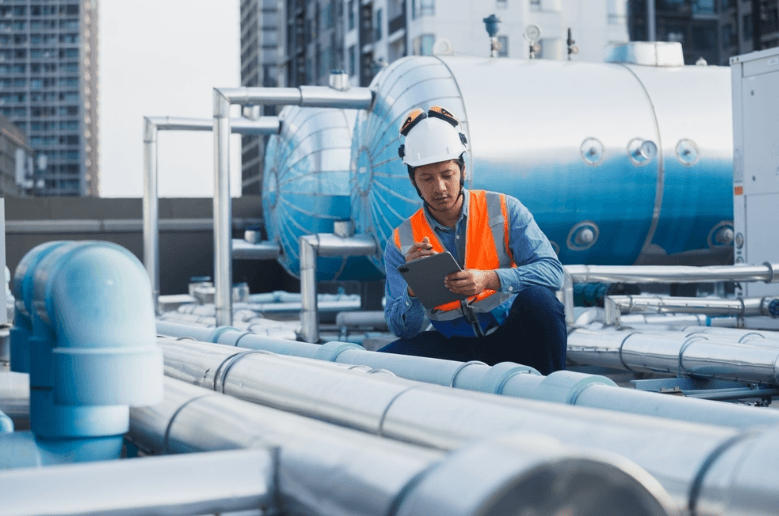
Industrial HVAC refers to advanced heating, cooling, ventilation, and air filtration systems specifically engineered for industrial facilities. These systems regulate indoor environmental conditions while meeting the unique requirements of manufacturing processes, employee safety, and equipment performance.
Industrial HVAC systems are often customized based on the facility’s size, production requirements, and industry regulations. They are built to operate continuously under demanding conditions while maintaining reliability and efficiency.
Why Industrial HVAC Is Important
Industrial environments generate significant heat, dust, fumes, chemicals, and moisture. Without proper HVAC systems, these factors can negatively impact employees, machinery, and product quality.
Some of the primary reasons Industrial HVAC systems are essential include:
- Maintaining comfortable working conditions for employees.
- Controlling humidity levels to protect sensitive products.
- Improving indoor air quality by removing pollutants.
- Preventing equipment overheating.
- Supporting compliance with environmental and workplace safety regulations.
- Reducing energy consumption through efficient climate control.
A well-designed HVAC system directly contributes to higher productivity and lower operational costs.
Main Components of an Industrial HVAC System
Industrial HVAC systems consist of several interconnected components that work together to regulate indoor conditions.
Heating Equipment
Heating units provide warmth during colder seasons or maintain process temperatures required for manufacturing. Common heating equipment includes:
- Industrial boilers
- Furnaces
- Heat pumps
- Steam heating systems
Cooling Systems
Cooling equipment removes excess heat from industrial spaces. Depending on the application, facilities may use:
- Industrial chillers
- Cooling towers
- Air conditioning units
- Refrigeration systems
Ventilation Systems
Ventilation ensures continuous airflow throughout the facility by removing contaminated air and replacing it with fresh outdoor air. Proper ventilation helps eliminate:
- Dust particles
- Smoke
- Chemical fumes
- Excess moisture
- Heat buildup
Air Filtration
Industrial air filters capture airborne contaminants to improve air quality. Advanced filtration systems may include:
- HEPA filters
- Activated carbon filters
- Electrostatic filters
- Dust collection systems
Control Systems
Modern Industrial HVAC systems use automated control technologies that monitor:
- Temperature
- Humidity
- Air pressure
- Airflow
- Energy usage
Smart controls help optimize system performance while minimizing energy waste.
Common Applications of Industrial HVAC
Industrial HVAC systems serve a wide range of industries with specialized environmental requirements.
Manufacturing Plants
Manufacturing facilities generate substantial heat from machinery and production processes. HVAC systems maintain stable temperatures while ensuring worker comfort.
Food Processing Facilities
Food production requires strict temperature and humidity control to preserve product quality and meet food safety standards.
Pharmaceutical Industry
Pharmaceutical manufacturing depends on cleanroom environments with precise air filtration and humidity control to prevent contamination.
Chemical Plants
Chemical processing facilities require specialized ventilation systems that safely remove hazardous gases and airborne chemicals.
Data Centers
Data centers rely on Industrial HVAC systems to prevent servers and networking equipment from overheating, ensuring uninterrupted operation.
Warehouses
Large warehouses use HVAC systems to maintain product quality, especially when storing temperature-sensitive materials.
Benefits of Industrial HVAC
Investing in an efficient Industrial HVAC system provides numerous long-term advantages.
Improved Worker Safety
Proper ventilation removes harmful pollutants, reducing health risks associated with poor indoor air quality.
Enhanced Productivity
Comfortable indoor temperatures help employees remain focused and productive throughout the workday.
Equipment Protection
Industrial machinery performs better and lasts longer when operating within recommended temperature ranges.
Better Product Quality
Many manufacturing processes require controlled environmental conditions. Stable temperatures and humidity levels improve product consistency.
Energy Savings
Modern Industrial HVAC systems incorporate energy-efficient technologies that significantly reduce electricity consumption.
Regulatory Compliance
Many industries must meet workplace safety and environmental regulations regarding air quality and ventilation. Proper HVAC systems help maintain compliance.
Challenges in Industrial HVAC
Despite their benefits, Industrial HVAC systems face several operational challenges.
High Energy Consumption
Large facilities require significant heating and cooling capacity, making energy efficiency a major concern.
Complex Installation
Industrial HVAC systems must be carefully designed to accommodate facility layouts, production processes, and future expansion.
Maintenance Requirements
Regular inspections and maintenance are essential to ensure reliable operation and prevent unexpected downtime.
Environmental Conditions
Industrial facilities often expose HVAC equipment to dust, chemicals, moisture, and extreme temperatures, increasing wear and tear.
See also: Garage Door Making Noise? Common Causes and When to Call a Pro
Energy Efficiency in Industrial HVAC
Reducing energy consumption has become a priority for industrial businesses. Several strategies can improve HVAC efficiency.
Variable Speed Drives
Variable speed drives adjust motor speeds based on demand, reducing unnecessary energy use.
Smart Building Automation
Automated control systems continuously optimize HVAC performance using real-time data.
Heat Recovery Systems
Heat recovery technology captures waste heat from industrial processes and reuses it for heating applications.
Preventive Maintenance
Routine servicing ensures equipment operates efficiently and reduces costly repairs.
High-Efficiency Equipment
Replacing outdated HVAC components with modern energy-efficient models can significantly lower operating expenses.
Choosing the Right Industrial HVAC System
Selecting an Industrial HVAC system requires careful planning. Businesses should consider several factors before installation.
Facility Size
Larger facilities require more powerful systems capable of delivering consistent airflow across extensive spaces.
Industry Requirements
Different industries have unique temperature, humidity, and air quality standards that influence HVAC design.
Energy Efficiency
Energy-efficient systems reduce operating costs over the long term and support sustainability goals.
Maintenance Support
Choosing equipment with reliable service and maintenance support helps minimize downtime.
Future Expansion
Businesses should select scalable HVAC solutions that can accommodate future growth.
Emerging Trends in Industrial HVAC
Technology continues to reshape the HVAC industry with innovative solutions.
Internet of Things (IoT)
Connected sensors monitor HVAC performance in real time, allowing predictive maintenance and remote management.
Artificial Intelligence
AI-powered systems analyze operational data to optimize energy use and improve system efficiency automatically.
Sustainable Refrigerants
Manufacturers are transitioning toward environmentally friendly refrigerants with lower global warming potential.
Renewable Energy Integration
Industrial HVAC systems increasingly incorporate solar power and other renewable energy sources to reduce carbon emissions.
Digital Twins
Digital twin technology creates virtual models of HVAC systems, enabling engineers to simulate performance and identify optimization opportunities before implementing changes.
Maintenance Best Practices
Proper maintenance extends equipment life and improves efficiency.
Recommended maintenance practices include:
- Inspect air filters regularly.
- Clean coils and ventilation ducts.
- Check refrigerant levels.
- Monitor system controls.
- Lubricate moving components.
- Inspect electrical connections.
- Schedule professional inspections annually.
Preventive maintenance helps identify small issues before they become expensive failures.
Conclusion
Industrial HVAC systems are essential for maintaining safe, efficient, and productive industrial operations. They provide reliable temperature control, ventilation, humidity regulation, and air filtration while protecting employees, equipment, and products. Although installation and maintenance require significant investment, the long-term benefits—including improved energy efficiency, regulatory compliance, and operational reliability—make Industrial HVAC an indispensable part of modern industrial facilities.
As technology continues to evolve, smart automation, artificial intelligence, energy-efficient equipment, and sustainable practices will further enhance the performance of Industrial HVAC systems. Businesses that invest in modern HVAC solutions today will be better positioned to improve productivity, reduce operating costs, and support long-term environmental sustainability.