ByJohn A
Why Smarter Daylighting Is Shaping the Future of Modern Homes
Modern homes are increasingly being designed around natural light, energy efficiency, and a stronger connection with the outdoors. Homeowners are looking beyond traditional windows to create brighter, healthier, and more comfortable interiors without compromising on design. This shift has made polycarbonate rooflights an interesting option for spaces that need more daylight while maintaining practical performance. From kitchen extensions and home offices to living areas and garden rooms, better daylighting can influence how a space looks, feels, and functions.
As sustainable home design continues to gain attention, the roof is becoming more than a protective structure. It can also play an important role in bringing natural light into areas that might otherwise feel enclosed or dependent on artificial lighting. Understanding how modern roof glazing supports this approach can help homeowners make more thoughtful decisions when planning or updating their properties.
Why Natural Light Matters in Modern Homes
Natural light has always been valued in architecture, but it is becoming particularly important as homeowners look for spaces that feel open and comfortable. A well-lit room can appear more spacious, welcoming, and connected to its surroundings.
Unlike artificial lighting, daylight changes naturally throughout the day. Morning light can create a fresh atmosphere, while softer afternoon illumination can make living spaces feel more relaxed. This changing quality gives interiors a sense of movement that fixed artificial lighting cannot easily reproduce.
Daylight can also influence how people use different areas of a home. A bright kitchen may become a more inviting place for everyday activities, while a naturally illuminated home office can feel more pleasant during working hours.
Roof Design Is Becoming Part of the Living Experience
Traditionally, roofs have been viewed mainly as structural elements that protect a property from weather. Modern residential design takes a broader approach. Roof design can now contribute to ventilation, thermal performance, visual appeal, and natural illumination.
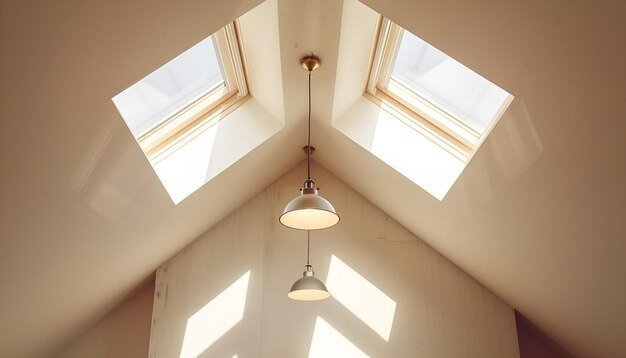
This is particularly useful in areas where vertical windows cannot provide sufficient daylight. A rooflight allows light to enter from above, helping illuminate deeper sections of a room. Instead of relying entirely on light entering through walls, homeowners can use the roof as another source of natural illumination.
The result can be especially effective in extensions, converted spaces, and rooms positioned away from external walls.
The Growing Interest in Sustainable Home Improvements
Sustainability has become a major consideration in residential design. Homeowners are increasingly interested in improvements that support comfort and efficiency rather than focusing only on appearance.
Daylighting fits naturally into this approach. By making better use of available sunlight, a home may require less artificial illumination during suitable parts of the day. The effectiveness of this approach depends on factors such as room orientation, roof design, glazing performance, shading, and how the space is used.
A sustainable approach also means thinking about the complete design rather than choosing individual features in isolation. A rooflight should work alongside insulation, ventilation, shading, and other elements of the building envelope.
Making Small Spaces Feel More Open
One of the most useful benefits of roof glazing is its ability to change the visual character of a room. A compact space can sometimes feel restricted when it has limited access to daylight.
Introducing light from above can reduce that enclosed feeling. It can draw attention toward the ceiling and create a greater sense of vertical space. This can be particularly effective in kitchens, hallways, bathrooms, extensions, and other areas where conventional windows may have limitations.
Rather than adding more artificial lighting fixtures, homeowners can consider whether the architecture itself can bring more daylight into the room.
Daylight and the Modern Home Office
Home working has also influenced the way residential spaces are designed. A room that once served as a spare bedroom or storage area may now function as a dedicated workspace.
Natural light can make these spaces feel more comfortable and visually engaging. However, excessive direct sunlight can create glare and unwanted heat, particularly around desks and computer screens.
Good rooflight planning therefore involves more than simply maximizing the amount of light entering a room. The direction of sunlight, positioning of furniture, glazing characteristics, and shading options should all be considered together.
A balanced approach can create a workspace that benefits from daylight without making the environment difficult to use.
Creating Better Connections Between Indoor and Outdoor Areas
Modern residential architecture increasingly emphasizes the relationship between indoor and outdoor spaces. Large windows, glazed doors, garden rooms, and roof glazing can all contribute to this connection.
Rooflights offer a slightly different perspective because they introduce views and light from above. When combined with appropriate materials and thoughtful interior design, they can make an extension feel more connected to its surroundings.
This can be especially appealing in rooms overlooking gardens or other outdoor areas. Instead of relying on a single direction for natural light, a combination of wall and roof glazing can create a more layered lighting experience.
Choosing Materials With Practical Performance in Mind
A rooflight needs to perform as well as it looks. Material selection can influence durability, light transmission, insulation, maintenance requirements, and overall appearance.
For homeowners, the goal should not necessarily be to choose the material that provides the most light. Instead, the better approach is to consider how the material will perform within the specific room and roof design.
Important considerations include:
- Light transmission: The glazing should provide an appropriate level of daylight for the room without creating excessive glare.
- Thermal performance: Good insulation characteristics can support a more comfortable indoor environment throughout changing seasons.
- Durability: Roof materials need to withstand regular exposure to weather and environmental conditions.
- Maintenance: Surfaces that are easy to clean and maintain can remain practical over the long term.
- Design compatibility: The rooflight should complement the architecture rather than appear disconnected from it.
Designing for Comfort, Not Just Brightness
It is easy to assume that more daylight automatically means better design. In practice, successful daylighting is about balance.
Too little daylight can make a room feel dull, while excessive direct sunlight can cause glare and overheating. The position and size of roof glazing should therefore be considered in relation to the room’s orientation, surrounding buildings, nearby trees, and intended use.
Shading can also play an important role. External or internal shading solutions can help manage strong sunlight while allowing homeowners to benefit from daylight when conditions are more comfortable.
This is where careful planning becomes valuable. A rooflight should be treated as part of the complete room design rather than as an isolated architectural feature.
How Skylights Roof Lanterns Fits Into Modern Daylighting Design
As interest in brighter and more thoughtfully designed homes continues to grow, Skylights Roof Lanterns reflect the wider focus on using roof structures to improve the character of interior spaces.
Roof glazing can contribute to both visual and practical aspects of residential design. Whether the goal is to brighten an extension, improve the atmosphere of a kitchen, or introduce more daylight into a previously enclosed area, the design should begin with the needs of the room.
The most successful results usually come from considering daylight alongside insulation, ventilation, shading, structural requirements, and interior finishes.
The Role of Rooflights in Future Home Design
Residential design is gradually moving toward spaces that are more adaptable, efficient, and responsive to the people using them. Daylighting is likely to remain an important part of that movement because it combines architectural design with everyday comfort.
Future homes may place even greater emphasis on passive design principles. This could include positioning rooms according to sunlight patterns, combining natural ventilation with efficient insulation, and using glazing strategically to reduce reliance on artificial lighting.
Roof glazing can contribute to this wider strategy when it is carefully integrated into the building. Its value is not simply in making a room brighter, but in helping shape how the space feels and functions throughout the day.
See also: Garage Door Making Noise? Common Causes and When to Call a Pro
Thinking Beyond Appearance
A visually impressive rooflight can certainly enhance a room, but appearance should only be one part of the decision-making process. Homeowners should also consider how the feature will interact with the property’s existing structure and how it will perform under different environmental conditions.
Questions about insulation, ventilation, shading, cleaning, durability, and light distribution are just as important as the visual design.
Taking this broader approach can help prevent common problems such as excessive glare, uneven lighting, or uncomfortable indoor temperatures. It also encourages homeowners to think about the long-term role of the rooflight rather than treating it as a purely decorative addition.
A Brighter Direction for Residential Architecture
The growing focus on natural light reflects a wider change in how people think about their homes. Interior spaces are no longer designed simply to provide shelter. They are expected to support work, relaxation, social activities, and everyday wellbeing.
Roof glazing can help meet these expectations by introducing daylight where conventional windows may have limited impact. When planned carefully, it can make rooms feel more open while supporting a broader approach to energy-conscious design.
The key is balance. Effective daylighting is not about filling every available surface with glass. It is about understanding how light moves through a property and using it where it can provide the greatest benefit.
Conclusion
Natural light is becoming an increasingly important part of modern home design, particularly as homeowners seek spaces that feel comfortable, efficient, and connected to the outdoors. Thoughtfully designed roof glazing can transform darker areas, improve the atmosphere of living spaces, and support a more considered approach to residential architecture.
The best results come from looking beyond appearance and considering daylight alongside insulation, ventilation, shading, material performance, and the way each room is used. Whether planning a new extension or improving an existing space, careful daylighting can make a meaningful difference to the finished environment. If you are exploring ways to introduce more natural light into your home, contact us to discuss how thoughtful roof design can support your vision.